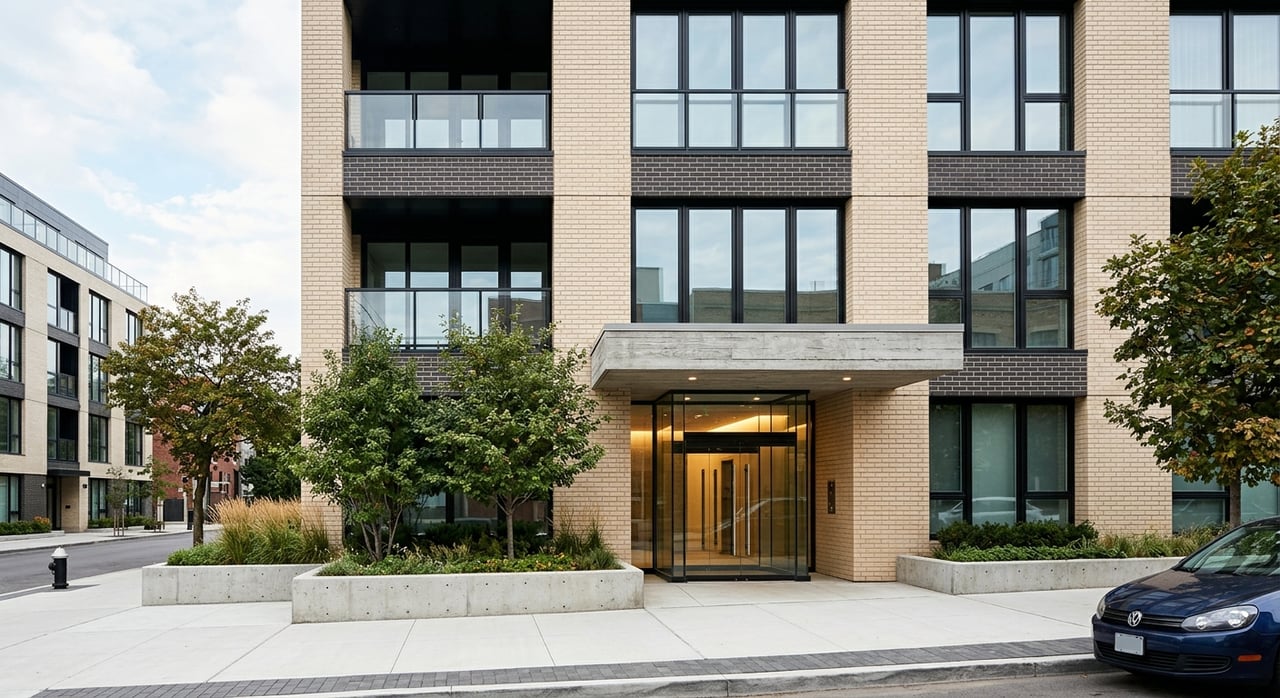
Thinking about buying a brand-new condo in the South Loop? It can be an exciting move, but it also comes with a different set of questions than buying a resale unit. You are not just choosing a floor plan and finishes. You are also evaluating disclosures, timelines, amenities, projected costs, and the long-term setup of a building that may still be taking shape. This guide will help you understand what to look for so you can buy with more clarity and confidence. Let’s dive in.
Why South Loop draws new-construction buyers
The South Loop offers a mix that is hard to find in one neighborhood. You get historic roots, established city access, and a wave of newer residential development in the same area. That blend matters when you are deciding between a brand-new condo tower and an older loft or resale building.
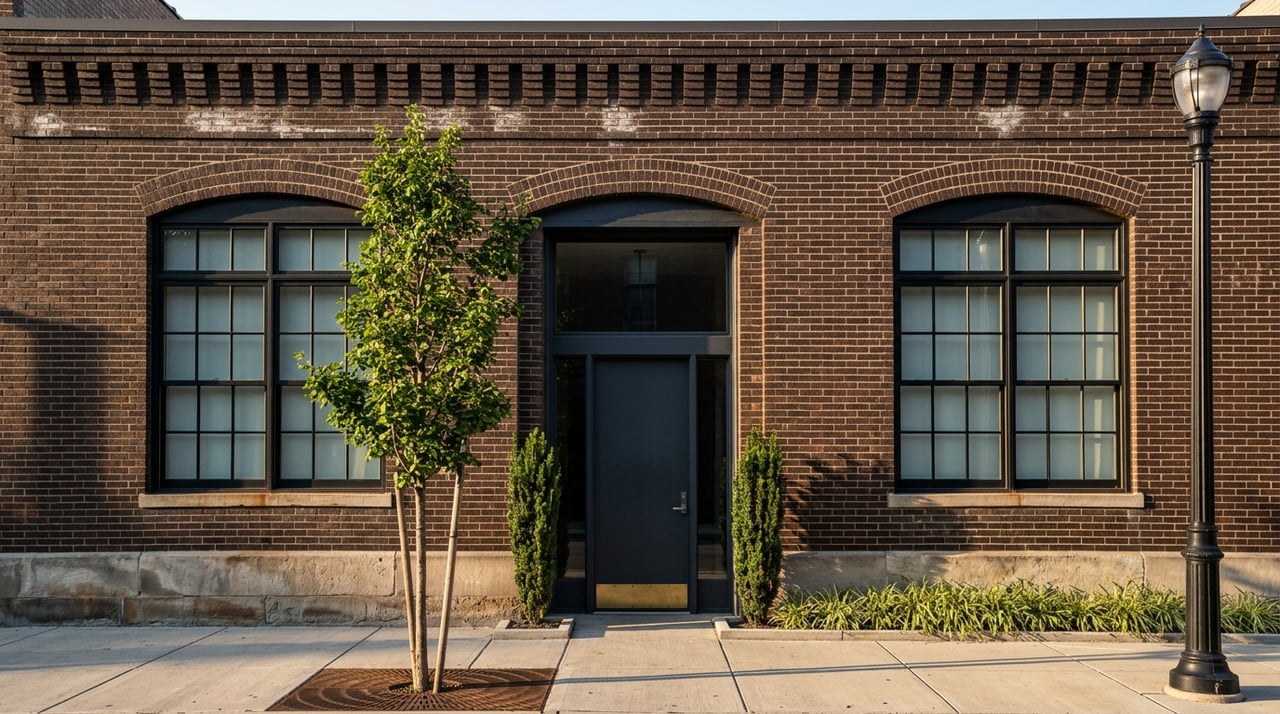
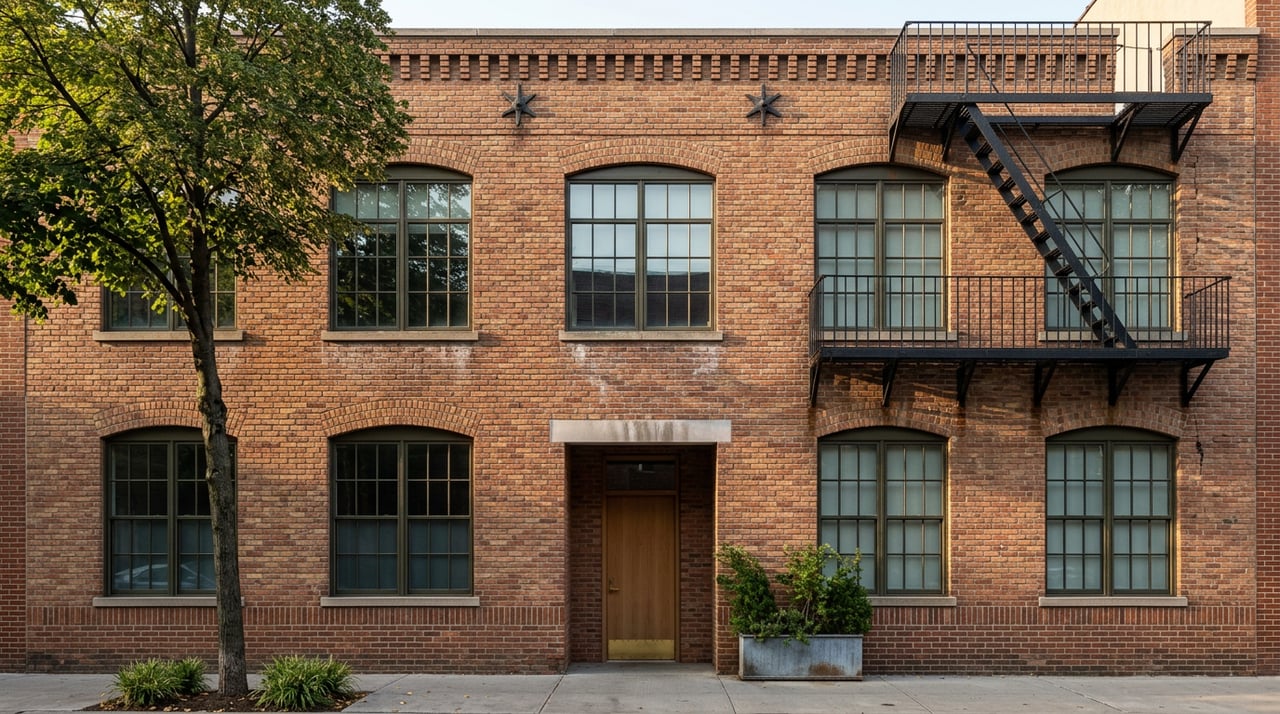
Historically, the South Loop was shaped by railroads and the printing district around Dearborn Station. After World War II, many former printing loft buildings were converted into condos and luxury rentals, which is a big reason Printers Row still stands out in today’s condo market. At the same time, the neighborhood includes places like the Wabash Arts Corridor and Grant Park, so buyers often see both classic masonry buildings and newer high-rise options in one search.
A newer riverfront direction is also helping define the area. Southbank, along the South Branch of the Chicago River, reflects the modern side of the South Loop with contemporary architecture, public park space, and a riverwalk experience that adds to the appeal of new construction.
What new-construction condos look like today
If you are shopping new construction in the South Loop, expect a product that leans modern, efficient, and amenity-rich. Many buyers are drawn to open layouts, large windows, newer systems, and a more polished move-in experience than they may find in older buildings.
A current example is The Reed at Southbank, a 41-story tower with 216 for-sale condominiums on floors 23 through 41. Its homes range from 630 to 1,660 square feet and feature details like 9-foot concrete ceilings, floor-to-ceiling windows, wide-plank flooring, Bosch appliances, quartz counters, and multiple finish-package options.
That style points to a broader South Loop pattern. New-build condos here are often designed to feel turnkey and contemporary, with finishes and layouts meant to support both daily living and work-from-home needs.
Amenities are part of the value
In many South Loop new-construction buildings, the amenity package is not an extra detail. It is a major part of the purchase decision. Buyers are often weighing not only the unit itself, but also the convenience and lifestyle built around it.
At The Reed, the amenity package includes 27,000 square feet of shared spaces. Highlights include owner-only coworking and lounge areas, a demonstration kitchen, a 15,000-square-foot outdoor deck with a pool and fire pits, fitness and wellness rooms, package cold storage, EV charging, bike storage, storage lockers, salon and massage rooms, and 24/7 front-desk service.
For you, that means monthly HOA costs should be considered alongside the unit price. A building with hotel-style services and expansive shared spaces may offer real convenience, but you will want to understand how those features fit into the projected budget.
New construction vs. resale in South Loop
In the South Loop, this choice often comes down to newer systems and amenities versus operating history and architectural character. Neither option is automatically better. The right fit depends on what matters most to you.
New construction usually offers newer mechanical systems, a warranty framework, modern finishes, and access to high-rise or riverfront product with extensive amenities. Resale condos, especially in converted loft stock like Printers Row, may offer more character and a longer record of association finances, reserves, and maintenance history.
Here is the practical tradeoff: new construction may reduce your immediate repair risk, but it requires more attention to projections, building turnover, upgrade choices, and delivery timelines. Resale often gives you more historical information, but it may require deeper review of building condition and longer-term maintenance needs.
What Illinois requires developers to disclose
When you buy a new condo from a developer in Illinois, state law gives you important protections. These rules matter because, unlike a resale purchase, you may be buying into a building with a still-forming association and projected, rather than proven, operating costs.
Illinois requires an initial-sale seller or developer to provide key condominium documents. These include the declaration, bylaws, projected operating budget, estimated monthly payments and charges, and a floor plan with the unit address.
If all required information is not available when you sign the contract, you have the right to void the contract until five days after the last required item is delivered or until closing, whichever comes first. Illinois law also says material changes to the delivered information cannot be made without approval from at least 75 percent of the buyers then owning an interest in the condominium.
Deposit protection matters
For initial condo sales, deposits must be held in a separate escrow account until title is conveyed. This is especially important in a pre-construction or not-yet-completed setting because it adds a layer of protection around your earnest money.
That does not replace careful due diligence, but it is a meaningful safeguard. If you are buying early in a project, ask clear questions about timing, milestones, and when funds are released.
Understand HOA projections and turnover
One of the biggest differences between new construction and resale is the level of certainty around building operations. In a resale condo, you are usually reviewing an association with an existing track record. In new construction, you are often reviewing projected numbers and a governance structure that is still evolving.
That makes the projected HOA budget especially important. You will want to understand what the monthly assessment is expected to cover, what amenities are included, and whether there are owner costs tied to parking, storage, or upgrades.
Developer control of the association is also temporary under Illinois law. The first owner board election must happen no later than 60 days after the developer has conveyed 75 percent of the units, or three years after the declaration is recorded, whichever is earlier. Within 60 days after that turnover, the developer must deliver records and accounting materials to the board.
Questions worth asking early
When you tour or review a new-construction opportunity, keep these questions front and center:
- What is included in the base price?
- What features are considered upgrades?
- What is the projected HOA, and what does it cover?
- Are there separate fees for parking, storage, or amenities?
- How long until the association turns over to owners?
- What long-term contracts will stay in place after turnover?
- How does the warranty claim process work?
These questions can help you compare buildings more clearly and avoid surprises later.
Pay close attention to finishes and selection sheets
One of the fun parts of buying new construction is the chance to get a fresh, modern home. It can also be one of the easiest places for confusion to creep in. Model units, marketing materials, and upgrade menus do not always reflect the exact home you are buying.
That is why you should confirm, in writing, what is included in your unit. Finish packages, appliance brands, countertop selections, flooring, lighting, and plumbing fixtures should all match the purchase agreement and any selection sheets you signed.
A polished sales presentation is helpful, but specifics matter more. In the South Loop, where some projects lean heavily on design, amenities, and lifestyle branding, the clearest developer materials are usually the most useful.
Final walk-through and punch list basics
Before closing, your final walk-through is your chance to confirm the unit is delivered as promised. This is not a formality. It is one of the most important steps in the process.
Use the walk-through to check that agreed items are complete and that the condition of the unit matches the contract and your selection choices. If something is missing, damaged, unfinished, or inconsistent, document it right away.
This is where a punch list comes in. A punch list is a running record of cosmetic defects, finish issues, missing items, or anything else that does not match what you expected to receive. In a new-construction condo, small details matter because many components are brand new and should be delivered in working order.
Know what the warranty does and does not cover
A new-construction condo often comes with a warranty structure, but you should never assume all issues are covered the same way. Ask for the warranty terms early and read them carefully.
In general, many new home warranties cover workmanship and materials for one year, systems such as HVAC, plumbing, and electrical for two years, and major structural defects for up to ten years. Some items may not be covered, including appliances, small cosmetic cracks, or costs tied to temporary relocation if repairs require you to leave the unit.
You should also ask how claims are submitted and tracked. Keep written records of every issue you report, including dates, photos, and responses.
How to evaluate a developer in South Loop
Developer reputation matters in any market, but it is especially important when you are buying into a building that may not yet have a long operating history. In the South Loop, a strong developer story should be specific, not just stylish.
Look for evidence that the company has delivered a project with a similar level of complexity, amenities, and finish expectations. Materials that clearly spell out unit sizes, included features, finish packages, owner amenities, and building details tend to give you a better picture than broad marketing language alone.
You want substance behind the presentation. If a project promises a high level of convenience, design, and service, the documentation should be equally concrete.
Why local guidance helps with new construction
Buying new construction in the South Loop is not just about finding a unit you like. It is about understanding how the building, contract, budget, and long-term ownership structure all fit together.
That is where experienced local guidance can make the process smoother. A neighborhood-savvy team can help you compare new construction with resale options, sort through projected costs, and focus on the details that matter most to your goals.
If you are exploring a new-construction condo in the South Loop, the right support can help you move forward with more confidence. Connect with the Gonnella Group for thoughtful, client-first guidance as you compare options in this evolving part of Chicago.
FAQs
What makes South Loop new-construction condos different from resale condos?
- South Loop new-construction condos often offer newer systems, modern finishes, warranty coverage, and large amenity packages, while resale condos may offer more architectural character and a longer association history.
What documents should you receive when buying a new condo in Illinois?
- Illinois requires developers to provide the condominium declaration, bylaws, projected operating budget, estimated monthly payments and charges, and a floor plan with the unit address.
What happens if a developer has not delivered all required condo documents?
- If required information was not available when you signed, Illinois law allows you to void the contract until five days after the last required item is delivered or until closing, whichever comes first.
How are deposits handled for new condo purchases in Illinois?
- On an initial sale, your deposit must be held in a separate escrow account until title is conveyed.
Why do HOA projections matter in a South Loop new-construction building?
- In a new building, you are often reviewing projected costs instead of an established operating history, so it is important to understand what the projected HOA covers and how amenities affect monthly expenses.
What should you check during a final walk-through for a new condo?
- You should confirm that the unit matches the contract and selection sheet, that promised work is complete, and that any defects, finish issues, or missing items are documented on a punch list before closing.