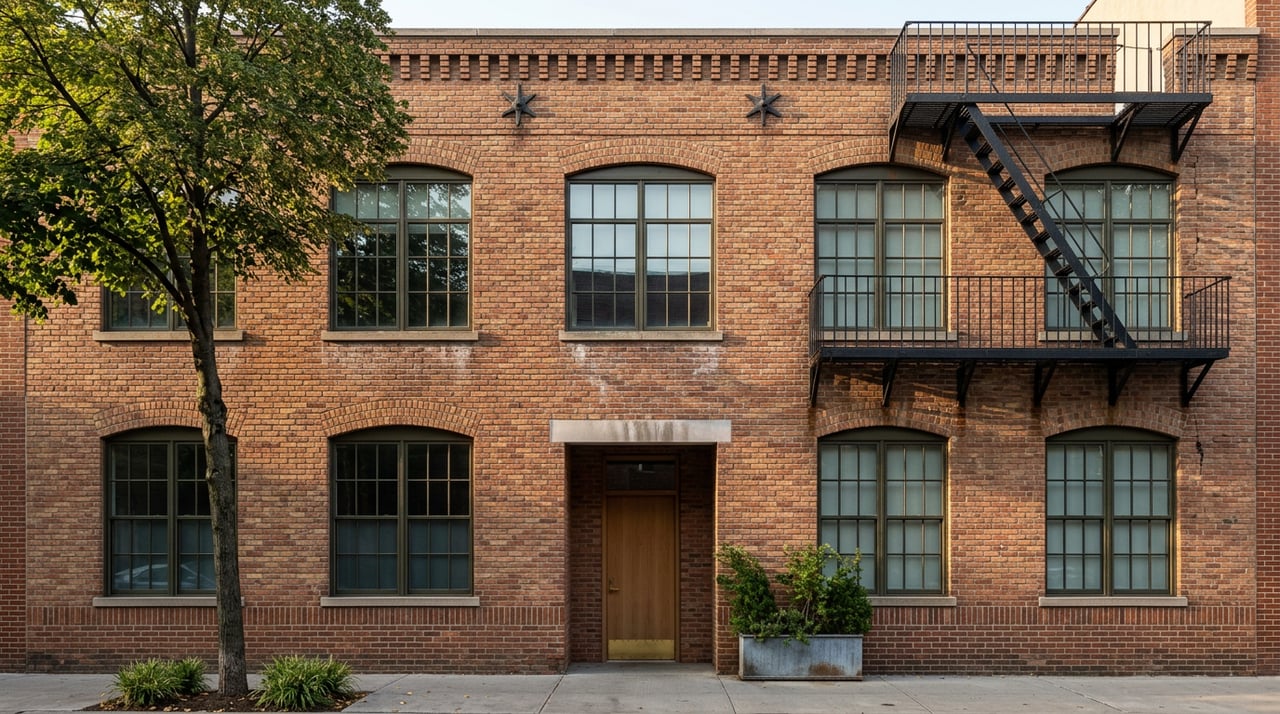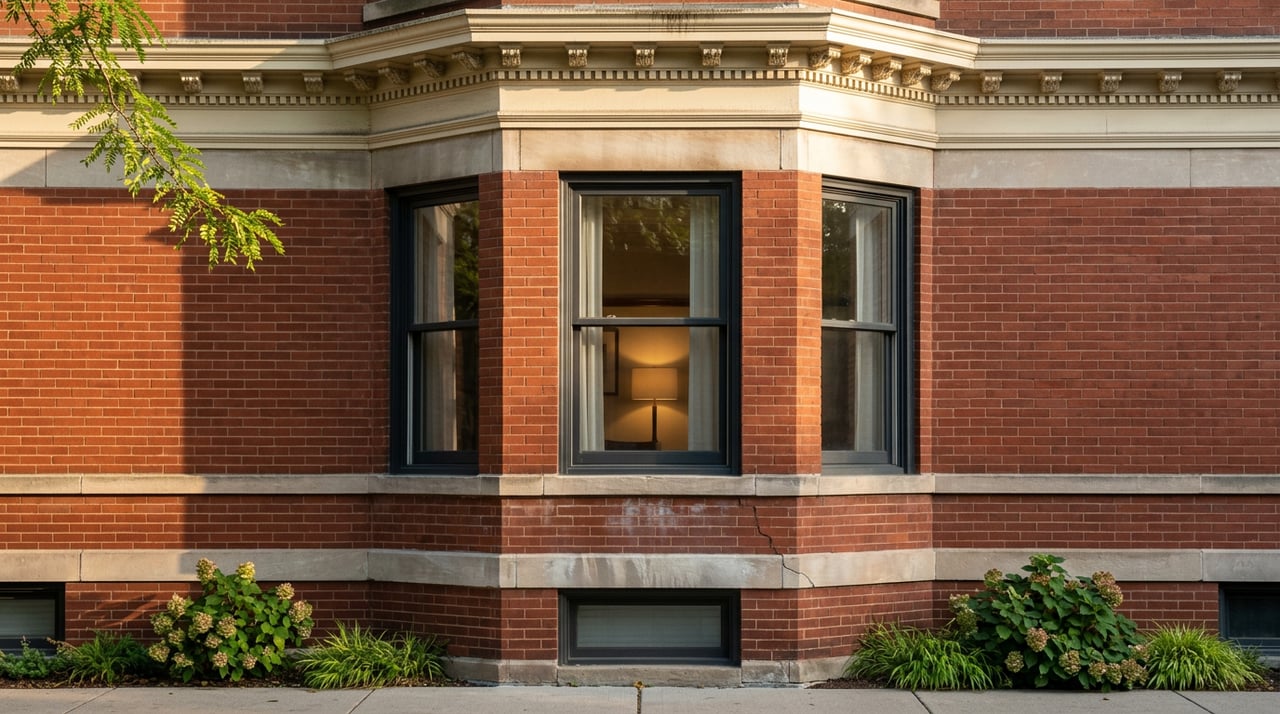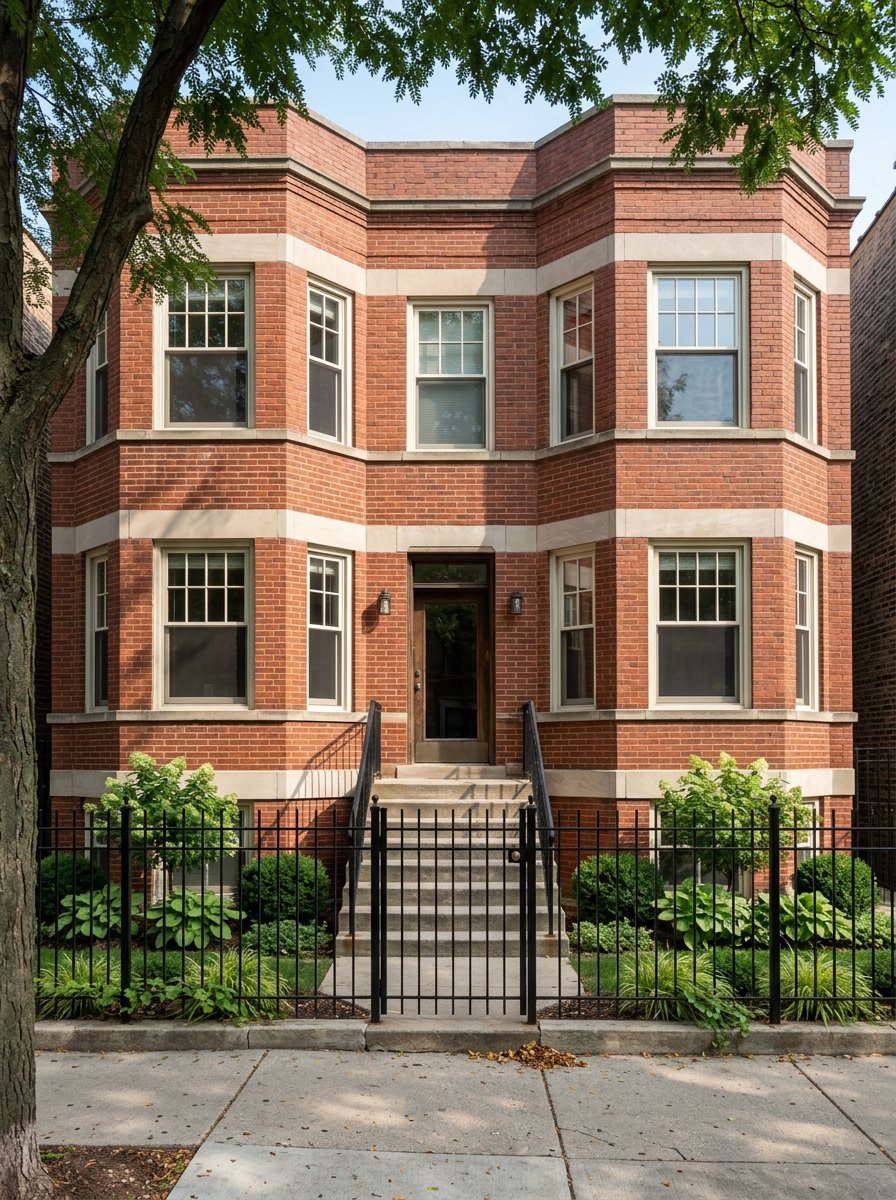
Thinking about house-hacking a classic Chicago two-flat in Logan Square or Avondale? You’re not alone. These neighborhoods offer strong rental demand, character-rich buildings, and the chance to offset your mortgage with rental income. In this guide, you’ll learn what two-flats cost, what they typically rent for, how financing works, how to run the numbers, and what to watch during inspections and zoning checks. Let’s dive in.
Why a two-flat here
Logan Square and Avondale give you a practical mix of lifestyle and numbers. You can live in one unit and rent the other, often reducing your monthly out-of-pocket cost. Neighborhood rent data shows solid demand for well-kept 2-bedroom units, especially near transit and amenities. Vintage masonry buildings also hold appeal, and thoughtful updates can boost both enjoyment and long-term value.
What two-flats cost today
Logan Square’s neighborhood-level pricing points to a mid-market that sits around the upper 400s to 700k depending on type and condition. In January 2026, one market tracker placed the median Logan Square sale price near $610,000. Recent Logan Square two-flat sales in 2024–2025 commonly traded in the $600,000 to $750,000 range for renovated brick buildings on standard 25-foot lots, with oversized lots or premium finishes pushing higher. Avondale shows a similar band, often a touch below Logan Square’s hottest blocks, with mid-range medians reported in the mid-400s to 600s.
Key takeaway: specific block, lot depth, unit mix, and renovation quality drive your actual price. Use very recent two-flat comps on nearby blocks to set expectations before you offer.
Typical rents and demand
Logan Square averages for all units tend to sit around the low 2000s per month, while renovated 2-bedroom units often ask in the mid-2000s to upper-2000s depending on finishes, in-unit laundry, and parking. In Avondale, typical 2-bed asking rents often land in the high-1000s to mid-2000s, with higher rents closer to popular corridors. Your rent will hinge on condition, floor plan, and amenities. Always comp each unit by beds, baths, and finish level to set a realistic ask.
Financing options that work
If you plan to live in one unit, you can access low-down-payment programs for 1–4 unit properties:
- FHA-insured loans: Minimum 3.5% down for qualified borrowers on 1–4 unit homes, subject to property standards and county loan limits. Learn more on the FHA programs page at the U.S. Department of Housing and Urban Development. FHA insures 1–4 unit homes.
- Conventional loans: Fannie Mae now allows a 5% down option for owner-occupied 2–4 unit purchases, which lowers the cash needed to enter a two-flat. Lenders often require reserves for multiunits, commonly around six months of PITI. See an industry overview of the policy here: Fannie Mae 5% down for 2–4 units.
- Appraisal and rent schedules: Two- to four-unit homes are typically appraised on small-residential-income forms, and lenders may require a comparable rent schedule to document market rent. For background on forms used, review FHA’s appraisal references: Appraisal form references for multiunits.
If you will not occupy a unit, expect higher down payments (often 20–25%), stricter reserve rules, and investor-rate pricing. Your lender will outline exact documentation and reserve requirements.
How lenders count rent
Most lenders do not count 100% of projected rent when qualifying you. A common practice is to use 75% of market rent for the non-owner unit to allow for vacancy and expenses. Confirm your lender’s exact percentage and whether they will use the appraiser’s rent schedule or signed leases. For a clear primer, see this overview: How lenders apply the 75% rent rule.
How to run the numbers
Underwriting a two-flat is straightforward when you follow a simple process:
- Confirm the unit mix and features. Note beds, baths, parking, outdoor space, and whether utilities are separately metered.
- Set conservative and optimistic rent cases using close comps by beds/baths and finish level.
- Build potential gross income: sum monthly rents, add any parking or laundry income, then annualize.
- Apply a vacancy factor. Chicago multifamily vacancy in recent appraisals has often sat near the mid-single digits. Choose 3–7% based on your comfort and comps.
- Estimate operating expenses. As a quick starting point, many investors use a conservative “50% rule” on effective income for small buildings. Read more about this rule of thumb here: Understanding the 50% expense rule.
- Calculate NOI: effective gross income minus operating expenses.
- Estimate debt service using current 30-year averages and your program terms. A reliable reference for the national 30-year fixed average is Freddie Mac’s weekly survey via the St. Louis Fed: 30-year fixed mortgage rate trend.
- Review cash flow (NOI minus debt service) and check DSCR, cap rate, GRM, and cash-on-cash. Test sensitivities for rents, vacancy, expenses, and rates.
Example deal: Logan Square two-flat
Here is a simple, illustrative pro forma using neighborhood-level numbers to show how financing and rents interact.
Assumptions:
- Purchase price: $650,000 for a renovated Logan Square two-flat on a standard lot.
- Market rents (conservative): Unit A $2,400/month and Unit B $2,300/month. Gross monthly rent $4,700. Annual potential gross income (PGI) $56,400.
- Vacancy: 5%. Effective gross income (EGI) $53,580.
- Operating expenses: 50% of EGI as a conservative placeholder. Expenses $26,790. Net operating income (NOI) $26,790.
- Rate reference: recent 30-year fixed averages near 6.0%.
Scenario A: 5% down (owner-occupied conventional)
- Loan amount: $617,500.
- Estimated monthly principal and interest at 6.0% for 30 years: about $3,702. Annual debt service about $44,427.
- Pre-tax cash flow: NOI $26,790 minus $44,427 = negative $17,637 per year.
Scenario B: 20% down
- Loan amount: $520,000.
- Estimated monthly principal and interest at 6.0% for 30 years: about $3,117. Annual debt service about $37,404.
- Pre-tax cash flow: $26,790 minus $37,404 = negative $10,614 per year.
What this means: With conservative expenses and the example rents above, a $650k two-flat at current rates is likely cash-negative on paper. You might improve the outcome by negotiating a lower price, increasing down payment, improving rents with targeted updates, reducing expenses through owner management and efficient systems, or obtaining a materially lower interest rate. Always run a sensitivity grid to see how modest changes can flip results.
Zoning, ADUs, and permits
Two-flats are generally allowed in Chicago’s RT districts, while RS and RM districts have different rules. Before you offer, look up the specific parcel’s zoning and check allowable uses, setbacks, and floor area limits in the code. Start with Title 17 and district tables here: Chicago Zoning Code reference.
Considering a basement conversion or an accessory dwelling unit? Chicago’s ADU allowances vary by pilot areas, ward, and lot characteristics, and life-safety upgrades can be significant. Review code-compliant unit basics and confirm if your lot sits in an eligible area: Chicago basement and ADU code basics.
Quick due diligence steps:
- Verify zoning for the exact address. Read the district rules and confirm whether an additional unit or duplexing is feasible without a zoning change.
- Pull the Cook County PIN, assessed value, and recent tax bills to forecast expenses: Cook County property search.
- Check for open permits or violations and confirm unit legality if the lower level is finished.
- If you plan structural or layout changes, speak with an architect or contractor experienced with Chicago DOB.
Condition and common repair costs
Most century-old Chicago two-flats are durable but need periodic investment. Common findings include masonry and tuckpointing needs, roof and porch repairs, aging boilers and water heaters, cast-iron drains, and older wiring. Properties built before 1978 may involve lead-paint disclosure and safety steps when renovating or renting. A contractor familiar with historic masonry buildings can help you scope true costs.
Very rough project ranges for budgeting:
- Cosmetic refresh per unit: $30,000 to $50,000.
- Mid-range rehab with some systems work: $75,000 to $125,000 per unit.
- Full gut or major structural modernization: $125,000 to $250,000+ per unit. For context on neighborhood-specific work and line items, see a local contractor’s overview: Typical two-flat renovation ranges.
Smart shopping checklist
- Get pre-approved with a lender experienced in 2–4 unit owner-occupied loans. Ask about FHA 3.5% down and Fannie Mae’s 5% down option and confirm reserve requirements.
- Define your search band by recent two-flat sales on nearby blocks and lot depth.
- Pull 3–5 recent rental comps per unit type and finish level. Build a conservative rent case.
- Underwrite with both low-down and 20% down scenarios. Use a vacancy factor and a realistic expense ratio.
- Review zoning and potential ADU options early if a basement or coach house is part of your plan.
- Order a thorough inspection. Add targeted evaluations for masonry, roof, plumbing drains, electrical, and HVAC.
- Forecast taxes using the Cook County property search and include insurance, utilities, and reserves.
- Plan your leasing timeline so the non-owner unit supports the mortgage as soon as allowable.
Work with a local, full-service team
A successful two-flat purchase blends neighborhood insight, careful underwriting, and strong vendor support. Our team pairs data-driven guidance with on-the-ground experience across Logan Square, Avondale, and nearby areas. We can connect you with trusted lenders, inspectors, and contractors, help you comp rents and sales precisely, and manage a smooth path from offer to keys. If you’re exploring a two-flat, reach out to the Gonnella Group to get a tailored plan and next steps.
FAQs
What is a Chicago two-flat and how is it different?
- A two-flat is a small residential building with two separate, self-contained units, often stacked; it differs from a condo because both units transfer together on one deed, allowing you to live in one and rent the other.
How much down payment do I need for a two-flat?
- Owner-occupants may qualify for FHA at 3.5% down or a conventional option at 5% down for 2–4 units, subject to underwriting and reserve requirements; check program details with your lender.
Can I count future rent to qualify for the mortgage?
- Often yes, but lenders usually apply a 75% factor to projected market rent for the non-owner unit and may require an appraiser rent schedule; see this overview of the practice: How lenders apply the 75% rent rule.
What appraisal forms are used for two- to four-unit homes?
- Lenders typically require small-residential-income appraisal forms and comparable rent schedules when rent is used to qualify; for background, review FHA’s references: Appraisal form references for multiunits.
Are ADUs or basement units allowed in Logan Square or Avondale?
- It depends on whether the property is in an eligible ADU/pilot area, plus lot and life-safety requirements; review code-compliant basics here and confirm eligibility by address: Chicago basement and ADU code basics.
What should I budget for repairs on a vintage two-flat?
- Budget for masonry and tuckpointing, roof and porch work, mechanical updates, and possible lead-safe practices; rough ranges run from $30k–$50k per cosmetic unit refresh to $125k–$250k+ for full gut work: Typical two-flat renovation ranges.
How do I check zoning and taxes before making an offer?
- Verify the parcel’s district and rules in the municipal code, then pull the PIN, assessment, and tax bills; start here: Chicago Zoning Code reference and Cook County property search.
How do current rates impact two-flat cash flow?
- Higher rates raise debt service, making cash flow tighter at today’s prices; use a current 30-year benchmark when modeling payments: 30-year fixed mortgage rate trend.