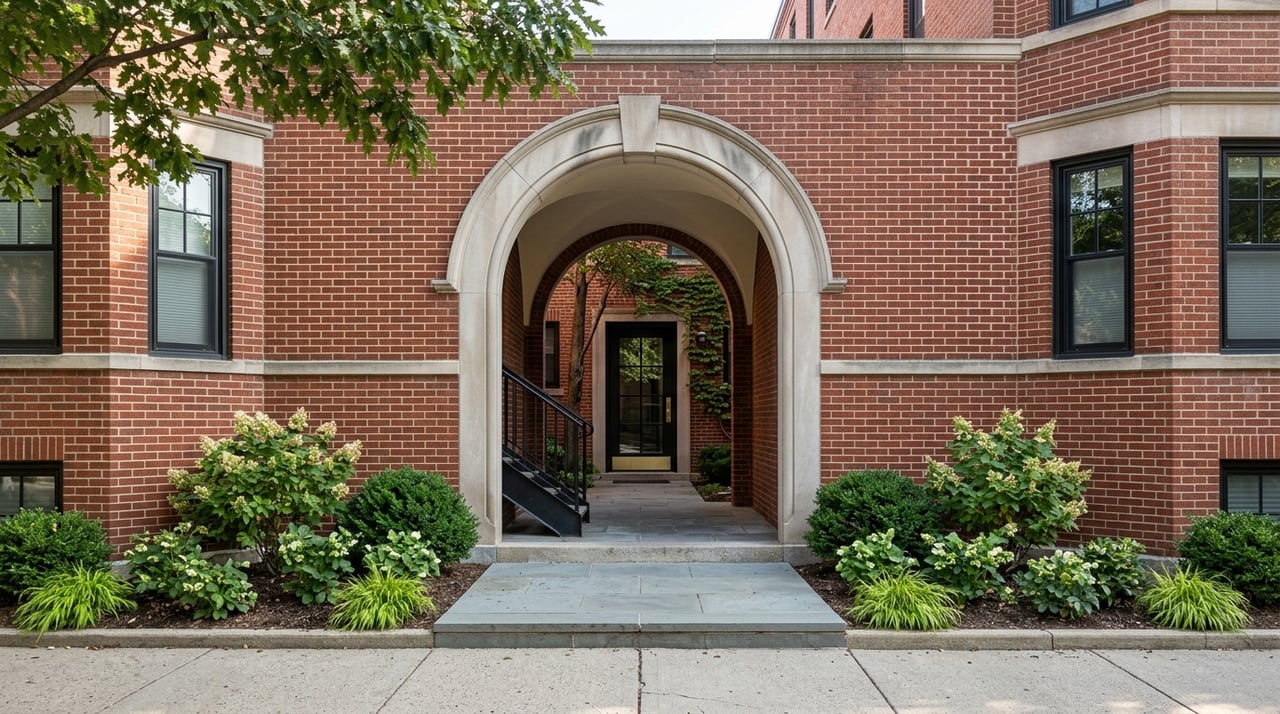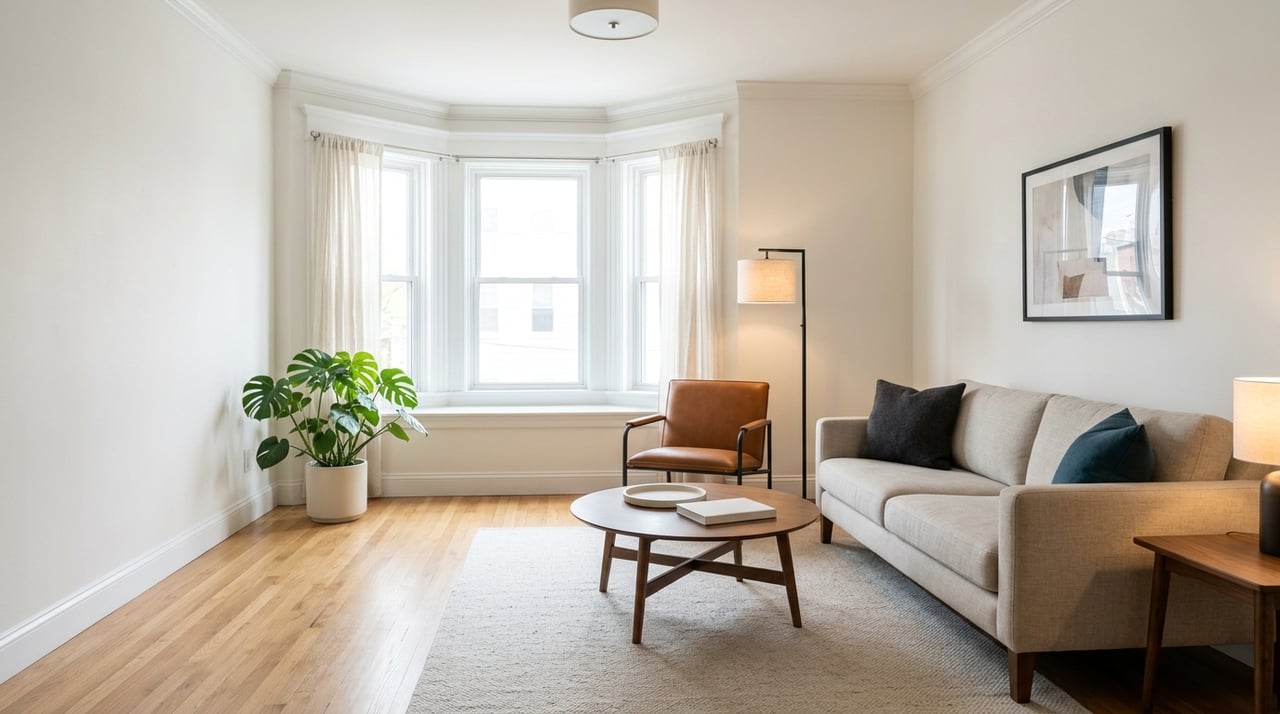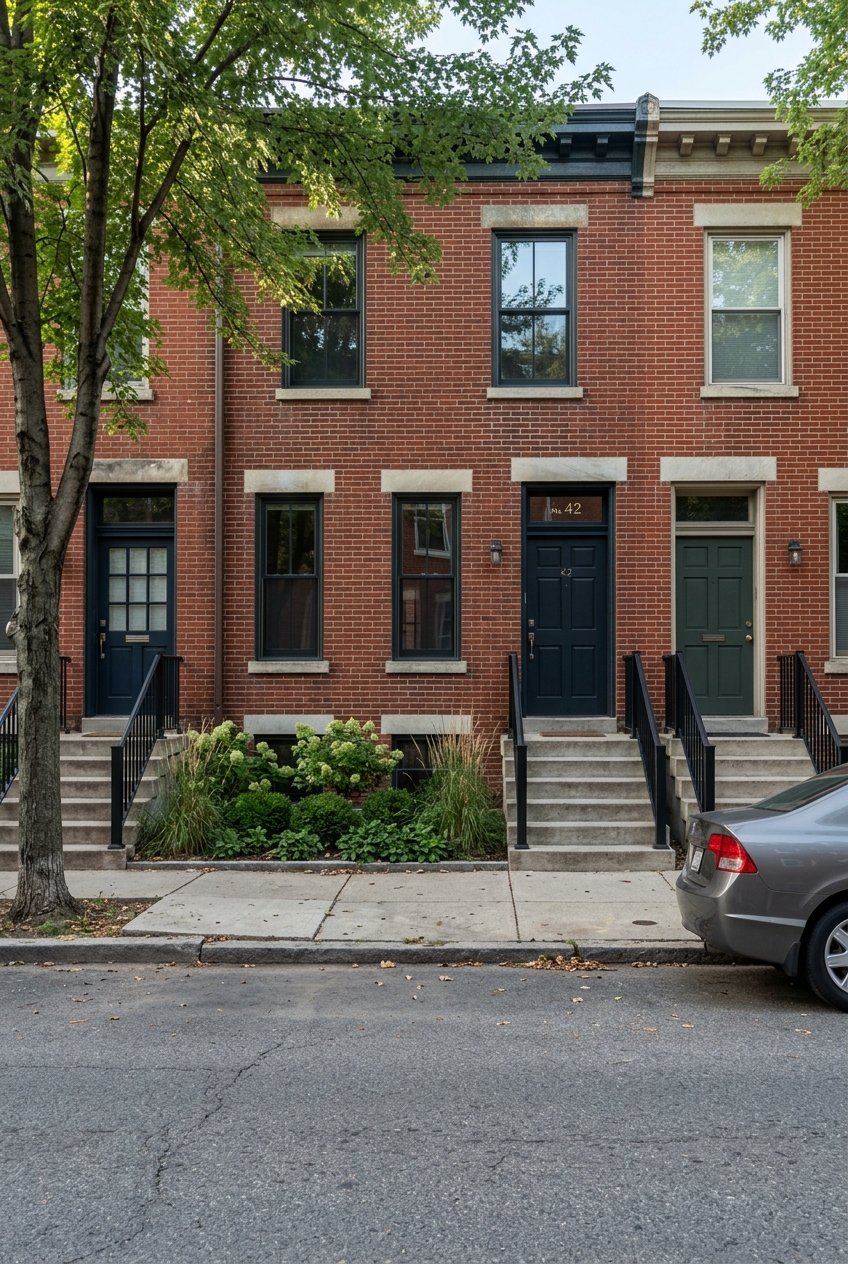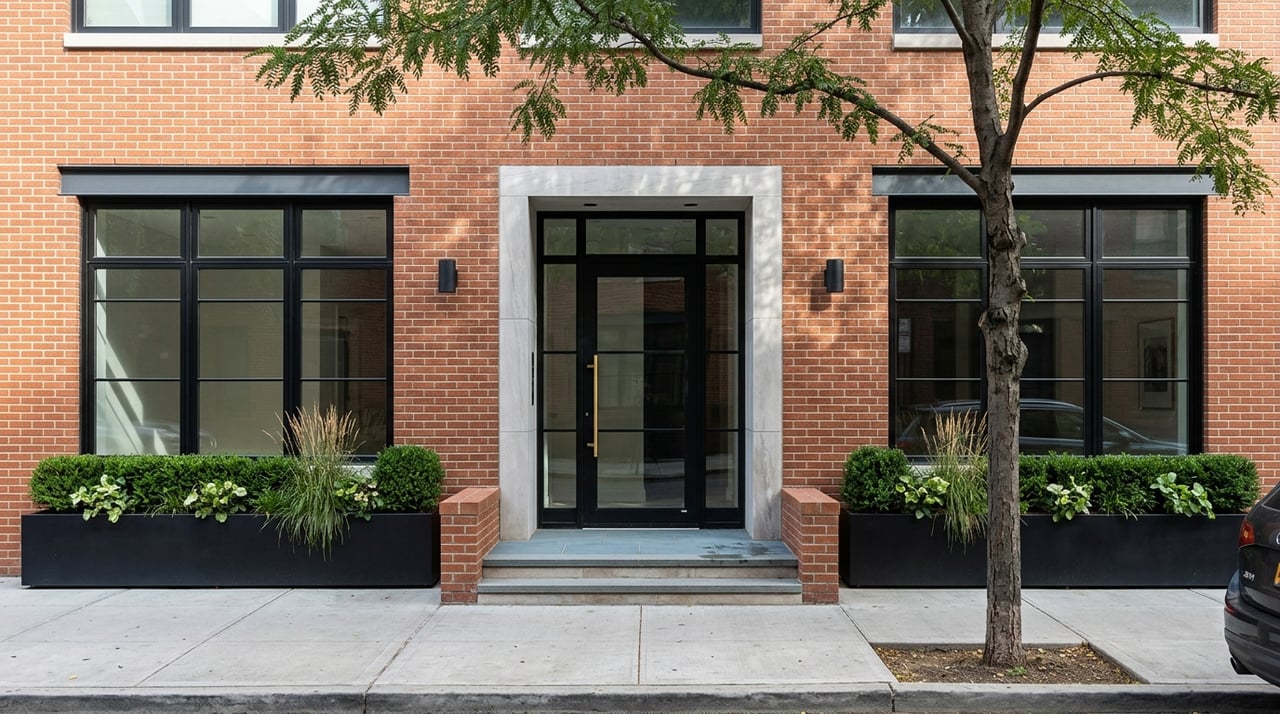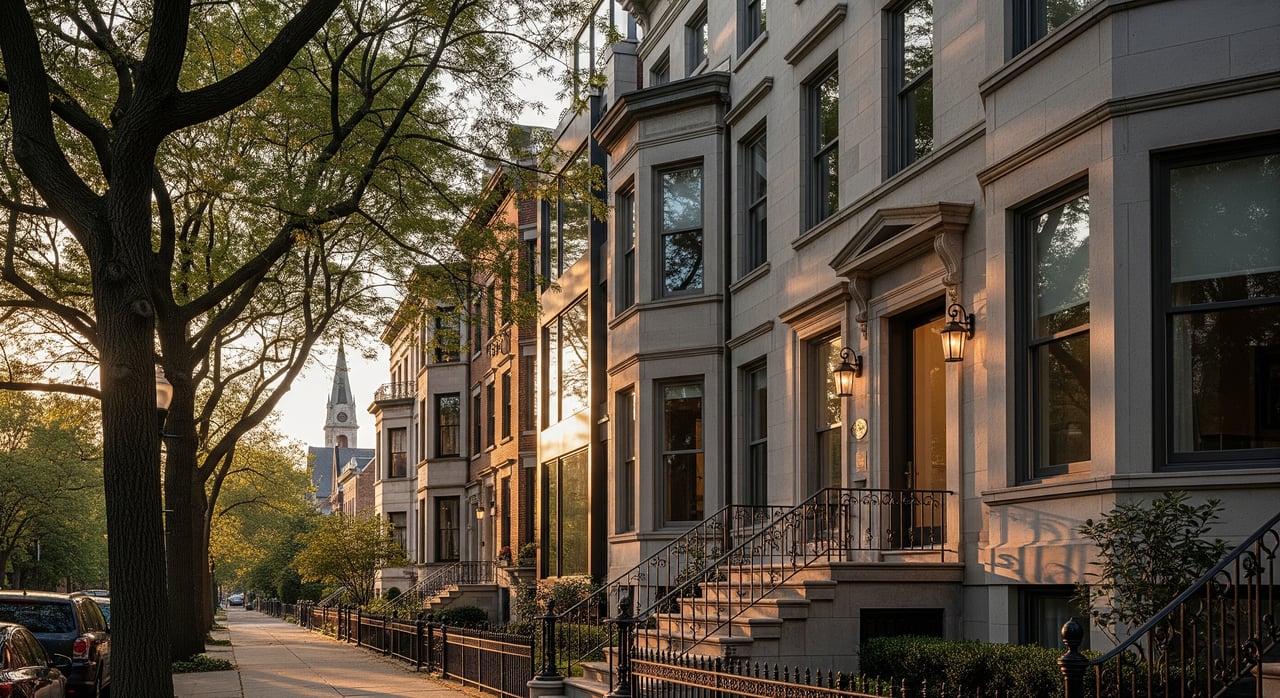
Deciding between Lincoln Park and Old Town can feel tricky. They sit next to each other on Chicago’s North Side, yet the day-to-day experience can be very different. You want the right mix of housing, parks, dining, transit, and value for your lifestyle. This guide breaks down each neighborhood so you can choose with confidence. Let’s dive in.
Lincoln Park vs Old Town at a glance
Lincoln Park snapshot
Lincoln Park is a larger, residential-leaning neighborhood with direct access to the namesake park, lakefront trails, and beaches. You will find historic greystones and brownstones alongside single-family homes, newer townhomes, and condo buildings. The Lincoln Park Zoo and Conservatory sit within the park, and the area includes the Lincoln Park campus of DePaul University. Streets feel relaxed by day with boutique retail and neighborhood dining, with nightlife in pockets rather than concentrated.
Approximate boundaries often span the Lake on the east to the Chicago River on the west, and from around North Avenue down to Fullerton or Diversey. Boundaries vary by map, so confirm specifics with the City of Chicago’s data portal.
Old Town snapshot
Old Town sits just south and southwest of Lincoln Park and blends a compact historic district with lively commercial corridors. The Old Town Triangle features preserved Victorian and Italianate rowhouses, while nearby blocks add boutique condo conversions and mid-rise buildings. Evenings and weekends bring more foot traffic around Wells, Clark, North, and Division. A long-running entertainment anchor is The Second City, which draws locals and visitors alike.
Old Town is often described as bounded by North Avenue to the north, LaSalle or the river to the west, Division or Armitage to the south, and Clark or Wells to the east. As with any neighborhood, check official maps for the exact lines.
Housing and price feel
Lincoln Park homes
Lincoln Park offers one of the most diverse housing mixes on the North Side. You will see detached single-family homes, historic mansions near the park, classic three- and four-flats, and a range of condo and townhouse options. Larger homes and units near the park and lake tend to command premiums, and long-term demand from buyers who value outdoor access supports resale potential.
Old Town homes
Old Town leans into historic charm and efficient footprints. Expect more rowhouses, vintage walk-ups, boutique condo buildings, and mid-rise condos or apartments. There are fewer large single-family parcels, and many units skew toward smaller sizes suited to singles and couples. Landmark properties and well-located condos can achieve strong prices, but building details like reserves, assessments, and management can have an outsized impact on value.
How prices typically compare
- Lincoln Park often prices higher for single-family and larger units, especially near the park and lake.
- Old Town remains desirable and central, with many condo options at somewhat lower entry points than Lincoln Park’s larger homes. Premiums still apply for historic or top-location units.
If you want accurate numbers, focus on current medians, price per square foot, days on market, and months of inventory. Because inventory mix varies, compare similar property types and time windows before you decide.
Parks and outdoors
Lincoln Park access
If daily green space matters, Lincoln Park is a standout. You are close to miles of trails, the zoo and conservatory, and the Lakefront Trail and North Avenue Beach. Runners, cyclists, and dog owners often prioritize these amenities when choosing blocks. Outdoor access is a clear lifestyle driver and a value factor for many buyers.
Old Town proximity
Old Town has less large green space within its borders, but you are within a short walk or quick ride to the park and lakefront. Many residents enjoy a compact, urban feel during the week and head to the lakefront on weekends. If you prefer a smaller-footprint home but still want outdoor options nearby, Old Town can be a strong fit.
Dining, retail, and nightlife
Lincoln Park scene
Lincoln Park spreads its shopping and dining across corridors like Armitage, Clark, Halsted, and the Southport Corridor. You will find coffee shops, fitness studios, neighborhood restaurants, and boutiques. Nightlife is present but more dispersed, with certain blocks more lively than others.
Old Town energy
Old Town’s commercial core is compact and buzzing, especially along Wells, Clark, and North. Bars, restaurants, galleries, and comedy clubs cluster together, pulling steady evening and weekend crowds. The area’s historic streetscape adds character and a sense of place, with The Second City as a cultural anchor.
Transit and commute
CTA access
Both neighborhoods offer strong CTA access to the Loop and the broader North Side. Lincoln Park residents often walk to Brown and Purple Line stops near Fullerton and Armitage, with Red Line access further east. In Old Town, many blocks are a short walk to Brown and Purple Line service around Sedgwick or to nearby Red Line stations. For route planning and system details, use the official CTA system map.
Walkability and biking
Walkability is a shared strength, and bike riders can connect to protected lanes and the lakefront. If you want a flexible, low-car lifestyle, consider how close you are to your preferred train line and grocery stores. City bike-share can also help fill gaps; check station coverage via Divvy.
Parking and cars
Street parking can be competitive in both neighborhoods, especially near commercial corridors. Lincoln Park blocks often use residential permits, and many single-family homes have garages. In Old Town, street parking is tighter and some buildings do not include off-street spaces. If you own a car, verify street permit rules, garage options, and any HOA policies before you make an offer.
Who tends to choose what
Lincoln Park often fits
- Buyers who want larger homes or units, private outdoor space, and easy access to the park and lakefront.
- People who prefer quieter residential streets while staying close to retail and dining.
Old Town often fits
- Buyers who want a compact, walkable, and historic environment with a concentrated nightlife and arts scene.
- People who value proximity to downtown and a strong condo selection.
Investors also consider both neighborhoods. Old Town’s smaller units and central location can align with rental demand, subject to local regulations and building rules. In Lincoln Park, larger homes and proximity to the park can support long-term owner-occupant demand.
How to decide: your checklist
Use these questions to narrow your search:
- Lifestyle fit: Do you value immediate park and lake access or a dense dining and nightlife scene?
- Home size and type: Do you want a yard or prefer a smaller, lock-and-leave condo?
- Budget and value: Compare current medians, price per square foot, and days on market for similar property types and locations.
- Condo diligence: Review reserves, assessments, owner occupancy, recent projects, and management quality.
- Parking needs: Confirm permit rules, garage availability, and HOA policies for your building.
- Schools: If relevant, verify CPS school boundaries and options through Chicago Public Schools.
- Noise and foot traffic: Visit your short list on evenings and weekends to gauge street activity.
- Commute: Time the trip to your office using your preferred CTA line or bus route via the CTA map.
Work with a local team
Choosing between Lincoln Park and Old Town is easier when you can compare real properties block by block. Our team pairs neighborhood insight with concierge-level service, from curated tours and offer strategy to vendor coordination and smooth closing. Whether you are buying, selling, investing, or renting on Chicago’s North Side, the Gonnella Group helps you move with confidence.
FAQs
What is the main difference between Lincoln Park and Old Town?
- Lincoln Park is larger with direct park and lake access, while Old Town is more compact with a concentrated entertainment corridor and historic streetscapes.
How close are these neighborhoods to CTA trains and buses?
- Both offer short walks to Brown, Purple, and Red Line access depending on the block; plan routes with the official CTA system map.
Which area has better access to parks and the lakefront?
- Lincoln Park borders major green space and the Lakefront Trail, while Old Town residents walk or ride a short distance to reach those amenities.
Is parking easier in Lincoln Park or Old Town?
- Parking varies by block; Lincoln Park has more garages with single-family homes, while Old Town can be tighter with more buildings lacking off-street spaces.
What should condo buyers focus on in Old Town?
- Review building reserves, assessments, owner occupancy, recent projects, and management since these factors strongly influence value and resale.
How do I confirm school boundaries in Lincoln Park?
- Use the boundary tools and school information provided by Chicago Public Schools to verify eligibility for specific addresses.
Can I rely on biking for daily errands here?
- Many residents do; both areas are walkable and bike friendly, and city bike-share coverage is strong through Divvy.