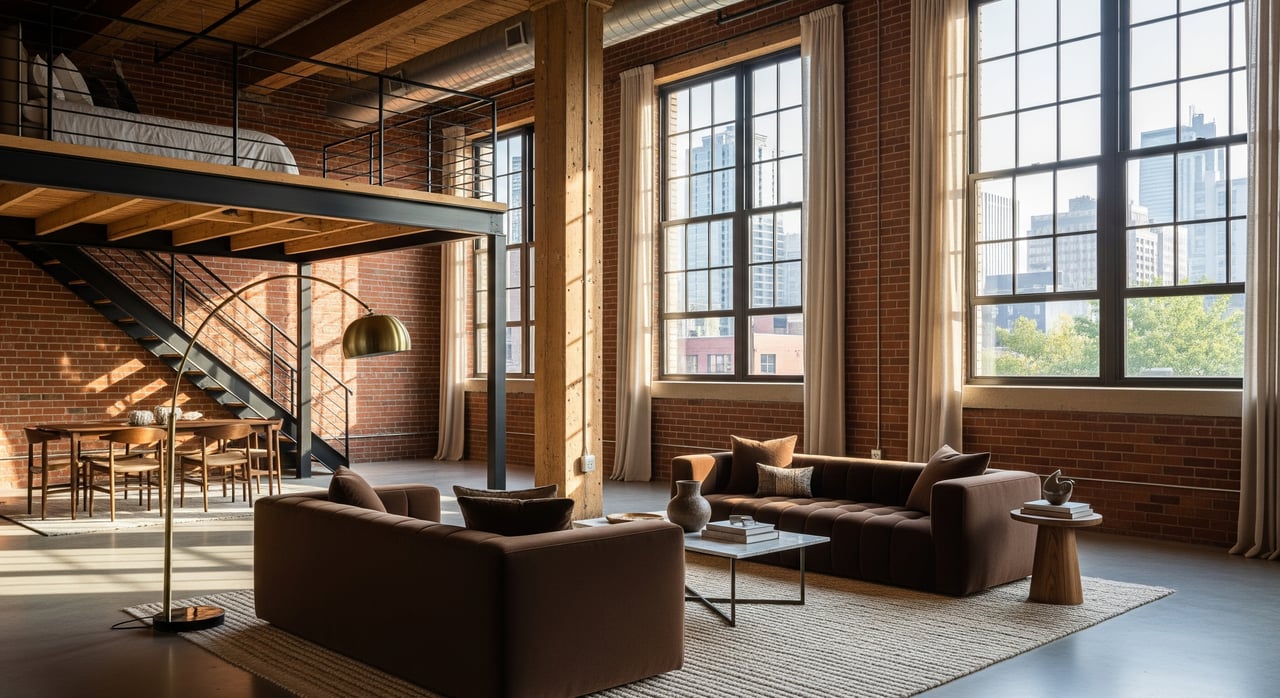
Thinking about a loft in the South Loop but not sure whether a soft loft or a hard loft is right for you? You are not alone. Both offer great Chicago style, yet they live very differently when it comes to sound, light, comfort, and resale. This guide breaks down what each type means in the South Loop, how to evaluate a unit on a tour, and what to check in the HOA before you buy. Let’s dive in.
What is a hard loft?
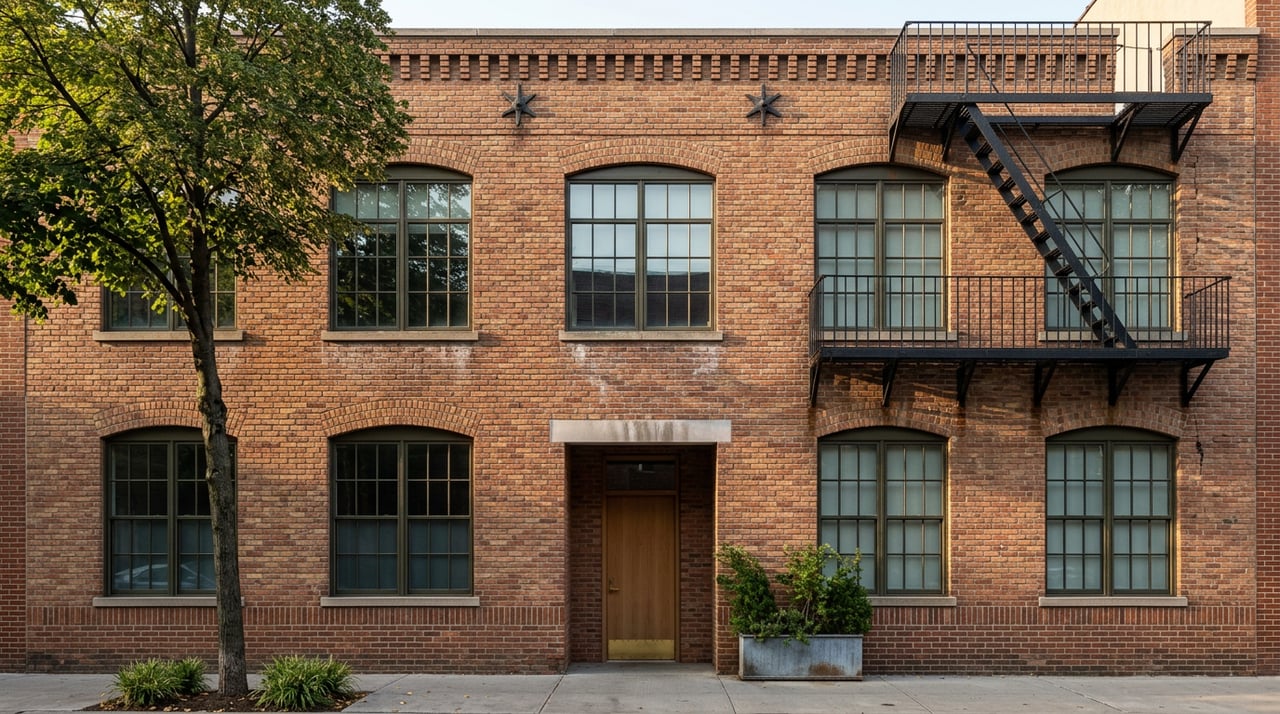
A hard loft is a home created from a converted industrial or early commercial building. In the South Loop, that often means an old warehouse or printing building that was transformed into condos.
- Typical cues: exposed brick, heavy timber or steel beams, ductwork, concrete or plank floors, and very high ceilings.
- Windows: large factory-style openings that may be single pane unless they were replaced during conversion or later upgrades.
- Layouts: irregular floor plans and fewer built-in closets are common.
- Era: the original buildings often date to the late 19th through mid-20th century, with many Chicago conversions happening from the 1970s through the 1990s.
Why people love them: character, authenticity, volume, and a one-of-a-kind feel. Why to pause: sound and thermal comfort can vary by building, and renovations may be more complex if you want to add insulation or change windows.
What is a soft loft?
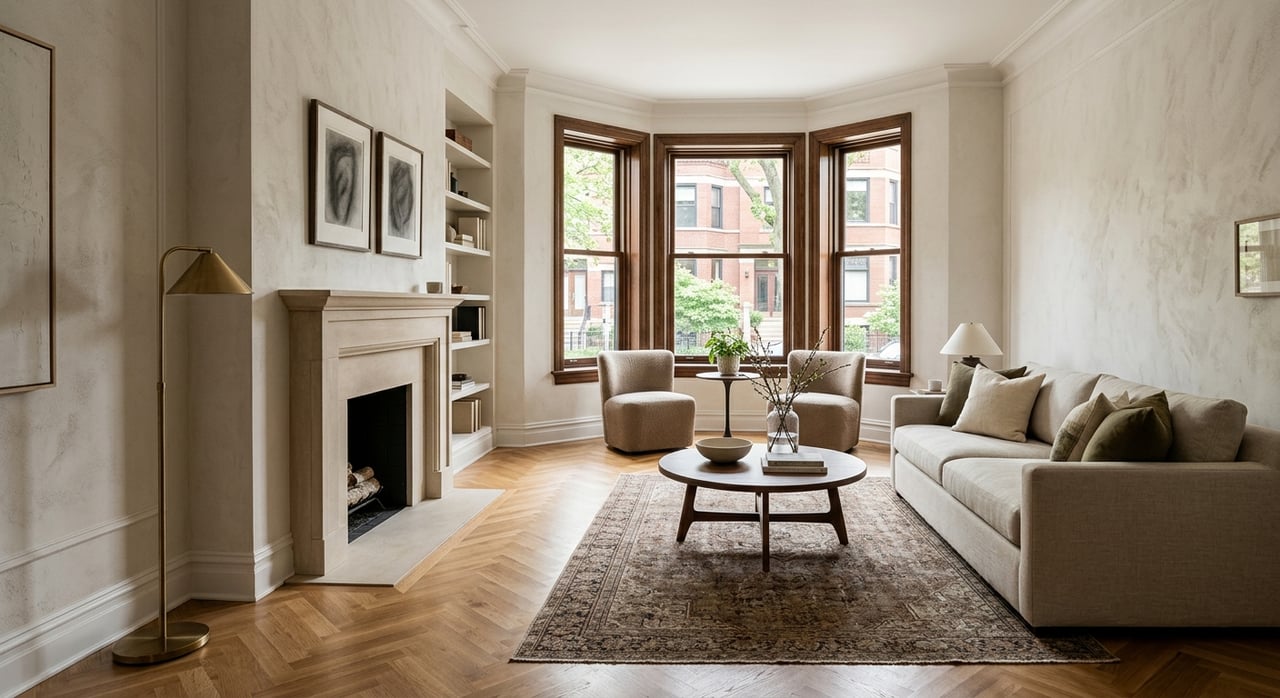
A soft loft is a newer, purpose-built condo that borrows the industrial look. You get an open plan, high ceilings, and big windows, but the building is constructed like a modern apartment or condo property.
- Typical cues: open layouts, modern HVAC, insulation in walls and ceilings, and double-glazed windows in many cases.
- Construction: built with standard residential methods, which usually means better thermal performance and more predictable sound control.
- Era: primarily 1990s to present in downtown neighborhoods.
Why people love them: style plus convenience, with more consistent comfort and access to building amenities. Why to pause: some buyers prefer the rarity and history of a true conversion.
South Loop context: where each shows up
The Near South Side and South Loop bring both worlds together. You will find clusters of hard loft conversions in historic pockets like Printer’s Row and Motor Row, as well as former warehouse blocks near rail and river corridors. Many of these buildings reveal their past with brick, timber or steel, and oversized industrial windows.
At the same time, the South Loop also has a large inventory of modern condo developments from the 1990s to today. Many are marketed with a loft aesthetic and are best described as soft lofts. These buildings often deliver amenities like gyms, package rooms, bike storage, and modern mechanical systems. Proximity to downtown jobs, parks, museums, and transit drives demand for both types across the neighborhood.
Sound: how each type handles noise
Hard loft acoustics
Hard lofts look stunning, but their hard surfaces and big volumes can create echo inside the unit. Original or older single-pane windows and thinner interior partitions can also pass street or neighbor noise. Sound isolation between floors and units varies by conversion quality and materials.
Soft loft acoustics
Soft lofts are usually built to modern codes with insulated walls and contemporary windows, which typically helps with sound control. Noise can still come from mechanical rooms, elevators, or thinner party walls in lower-cost builds, so it is important to test during a tour.
How to evaluate noise on a tour
- Visit at different times, such as rush hour, evening, and early morning service times.
- Check window type and condition, door sweeps, and thresholds.
- Ask about any prior noise complaints and request recent HOA meeting minutes to see if sound comes up.
- During inspection, ask your inspector about floor and wall assemblies and whether any sound ratings are available.
Practical ways to reduce noise
- Upgrade windows to double or laminated glass if the building allows.
- Add absorptive materials like area rugs, bookcases, curtains, and acoustic panels to reduce echo.
- Improve door seals and consider underlayment or floating floor systems for upstairs areas, with HOA approval.
- In some cases, professional acoustic retrofits may help, though they can be more involved and require approvals.
Light and windows: what to look for
Daylight patterns
- Hard lofts often feature very large, tall windows that deliver dramatic light, but illumination can be uneven with bright spots near windows and darker corners deeper in the unit.
- Soft lofts usually have modern windows sized per unit for more even light distribution.
Orientation and depth
- East and west exposures bring strong morning or afternoon sun. North exposures give steady, indirect light.
- Deep floor plans can lose daylight toward the back. Note how far the window wall is from bedrooms or kitchens.
Window condition and performance
- In hard lofts, ask if the windows are original or replaced and what type of glass was used.
- In soft lofts, verify operation and seal condition. In any building, open windows to test ventilation and look for drafts or condensation.
Thermal comfort and energy
- Hard lofts can have higher heating needs in winter and more solar gain in summer if original windows remain. Check HVAC upgrades, insulation strategies, and, when possible, past utility bills.
- Soft lofts generally include modern HVAC, better insulation, and more predictable energy performance. Still, every building is different, so ask for documentation when available.
Resale and market takeaways in the South Loop
Demand drivers in the South Loop include access to downtown, transit, parks, and cultural institutions. Both hard and soft lofts benefit, but they attract slightly different buyers.
- Hard lofts often command a premium when they are authentic, well-maintained, and in great locations. They can appeal to a more niche buyer who values character and volume.
- Soft lofts in amenity-rich buildings may draw a broader audience and can resell faster if the building is well run with healthy reserves.
- Resale depends less on the label and more on building condition, HOA health, location, sound and thermal comfort, and a floor plan that works for everyday life.
Renovation and cost considerations
- Hard lofts may require window upgrades, HVAC modernization, or specialized repairs to historic materials. Some floor plans are harder to reconfigure.
- Soft lofts often allow straightforward updates to kitchens and baths within condo rules. More uniform systems can simplify upgrades.
Financing and insurance notes
- Older conversion buildings can face added scrutiny from lenders or insurers because of mechanical age or structural questions. Be ready with inspection details.
- Newer soft lofts generally present fewer hurdles, though condo lending also depends on HOA finances and owner-occupancy ratios.
HOA rules and amenities: your due diligence checklist
A strong condo association protects your comfort and your resale. Before you offer, request and review the following.
Documents to review
- Condominium declaration, bylaws, and rules and regulations
- Recent meeting minutes for 12 to 24 months
- Annual budget and financials, including reserve balances
- Any reserve study and recent special assessments
- Insurance summary and what it covers vs. owner responsibility
- Management contract and any turnover history
- Pending litigation disclosures
- Rental and short-term rental policies
- Pet, smoking, and noise policies
Amenities and systems that matter
- Parking: deeded, assigned, or waitlist, plus maintenance for mechanical lift systems
- Storage: size, availability, and fees
- Elevator service: capacity and reliability, number of elevators
- HVAC and mechanicals: central vs. in-unit systems and age of major equipment
- Fitness room, concierge, package handling, bike storage
- Security features like fob access or a door person
Red flags
- Low or declining reserves and frequent special assessments
- Active litigation or repeated complaints in meeting minutes
- Rules that block reasonable interior upgrades you plan to make
- Unclear responsibilities for exterior windows or common wall repairs
- Signs of poor management or unpaid assessments
Physical checks during tours and inspections
- Roof, masonry, window condition, and elevator maintenance
- Age and service history of boilers, chillers, or rooftop units
- Whether exterior windows were replaced and when
- Any local landmark status that may affect exterior work or costs
- Parking arrangements and associated costs
Which is right for you?
Use this quick guide to align your priorities with the right loft type.
- Choose a hard loft if you value authenticity, tall ceilings, exposed materials, and a unique floor plan, and you are comfortable managing potential upgrades to windows, HVAC, or acoustics.
- Choose a soft loft if you want modern systems, consistent thermal and sound performance, building amenities, and a more predictable path for resale and routine updates.
- For either option, focus on building health, HOA strength, natural light, and a floor plan that fits your daily life.
Your next step in the South Loop
If you are touring hard and soft lofts, a knowledgeable partner can help you compare sound, light, energy comfort, and HOA strength across buildings. We can also coordinate inspections, review key documents, and flag important questions for your lender and attorney. When you are ready to see what fits your budget and lifestyle, the Gonnella Group is here to help you buy with confidence.
FAQs
What is the difference between a hard and soft loft in the South Loop?
- A hard loft is an authentic conversion of an older industrial or commercial building with original materials and big factory windows, while a soft loft is a newer, purpose-built condo that uses the loft look with modern construction and systems.
How can I assess noise when touring a South Loop loft?
- Visit at different times of day, check window type and door seals, ask for HOA minutes to see if sound issues are noted, and have your inspector identify floor and wall assemblies.
Do large loft windows affect winter energy bills in Chicago?
- They can, especially in hard lofts with older single-pane windows, so ask about window upgrades, HVAC efficiency, and request prior utility bills when possible.
What HOA documents should I request before buying a loft condo?
- Review the declaration, bylaws, rules, recent meeting minutes, budget and reserves, any reserve study, insurance summary, rental rules, and disclosures about litigation or special assessments.
Are hard lofts harder to remodel than soft lofts?
- Sometimes, because conversions may have structural or layout constraints and may require specialized work for windows, insulation, or historic materials, while soft loft updates are often more straightforward within condo rules.
Which loft type tends to resell faster in the South Loop?
- It depends on building condition, HOA health, location, and livability, though amenity-rich soft lofts often have broader appeal and authentic hard lofts can command premiums when well maintained and well located.